Power for Less: Decarbonization in Oil & Gas Fleets
December 17, 2025
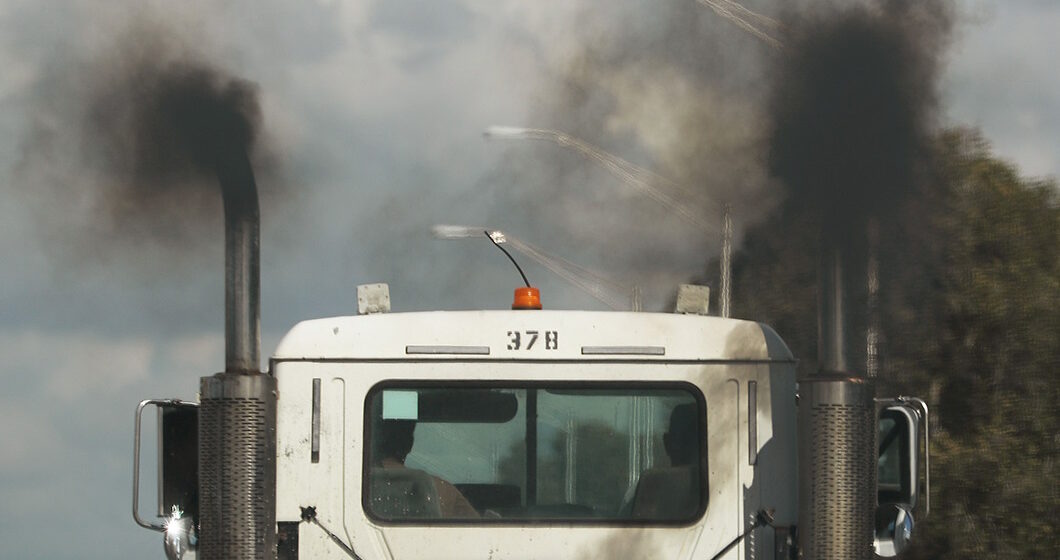
India’s oil and gas sector, fueling 85% of energy needs through 1.2 million wells, rigs, and compressors in basins like Cambay, KG, and Mumbai High, grapples with diesel-guzzling engines and generators that idle 40% of shifts amid dusty fields, high-sulfur fuels, and 50°C heat—leading to carbon-clogged turbos, injectors, and valves that spike downtime by 15-20% and emissions beyond MoEFCC norms. Engine decarbonization via hydrogen plasma or chemical flushing strips these deposits, boosting uptime 18%, cutting diesel use 10-14%, and saving ₹40-60 lakh per 20-rig fleet yearly. A Western Offshore producer dodged ₹50 lakh in fuel costs last year, enabling double-shift ops without safety lapses or PNGRB fines.
Decarbonization fortifies fleets against field chaos, powering the theme Power for Less: Decarbonization in Oil & Gas Fleets—clean engines mean safer drills, leaner burns, compliant runs.

Oilfield Engine Torments
Rigs endure extreme abuse: BS-VI Cats and Cummins pull 500-1000 kVA loads with EGR soot from H2S-laced diesel (500 ppm sulfur in remote ops), while gen-sets cycle erratically on gas flares. Dust from fracking sands gums pistons; monsoons flood air filters. Fallout: power drops 12-15%, frequent regens fail DPFs, risking well delays at ₹10 lakh/hour. ONGC/Reliance logs show engine faults cause 28% of ₹8,000 crore annual losses.
Decarbon Protocol for Upstream Beasts
Field-tuned for rotarys and frac pumps:
- Diagnostics: Vibro-acoustic scans + exhaust gas analysis flag 20% efficiency theft.
- Plasma Clean: On-site H2 generators dissolve carbon in 60 mins, targeting SCR catalysts.
- Rebaseline: ECU tweaks + oil analysis lock 12% BSFC gains for 5,000+ hours.
Rig-side services cost ₹20-30k/unit; mobile skids process 10/day, ROI in 45 days at ₹95/liter diesel.
|
Metric
|
Fouled Engine
|
Post-Decarb
|
Improvement
|
|---|---|---|---|
|
Uptime
|
82%
|
97%
|
+18%
|
|
Diesel Consumption
|
250 L/hr
|
225 L/hr
|
-10-14%
|
|
Breakdowns/Month
|
4-6
|
2-3
|
-50%
|
|
Emissions (NOx/PM)
|
130% norm
|
85% norm
|
-35%
|
Tech Tailored for Hazards
Decarb delivers:
- Catalyst Revival: Clears AdBlue crystals for 25% better NOx conversion.
- Load Response: Frees turbos for surge-free starts in gas-lift ops.
- Safety Edge: Reduces hot-spot risks in Zone 1 areas.
Vs. options:
|
Approach
|
Cost/Unit
|
Uptime Gain
|
Field Downtime
|
|---|---|---|---|
|
Hydrogen Plasma
|
₹25k
|
15-18%
|
1 hr
|
|
Chemical Soak
|
₹18k
|
10-12%
|
4 hrs
|
|
Overhaul
|
₹1-2L
|
20%
|
1 week
|
Trumps additives (7% gains, residue buildup).
Regs & Sustainability Surge
PNGRB’s 2026 methane rules demand 40% emission cuts; decarb aids sans capex. PLI green fuel rebates (15%) reward fleets. CO2 savings: 5 tons/rig/year bolsters net-zero filings for global JVs.
Field Fixes
Skeptics: 9-12 month durability with quarters; lab-verified.
Remotes: Heli-portable kits for offshore.
Certifications: PESO-trained crews.
By 2030, with $500B investments, decarb unlocks ₹12,000 crore efficiencies.
Want to hit your next field efficiency milestone? See results and compliance wins in our energy sector blog, with dyno data, PNGRB filings, and rig logs.