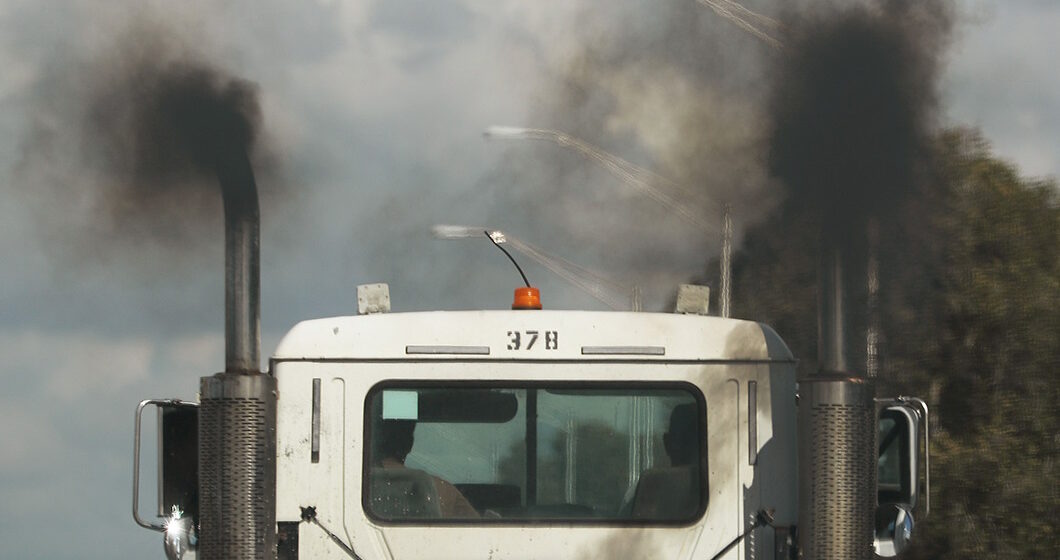
Defence-Grade Reliability: Decarbonize for Mission Success
December 17, 2025
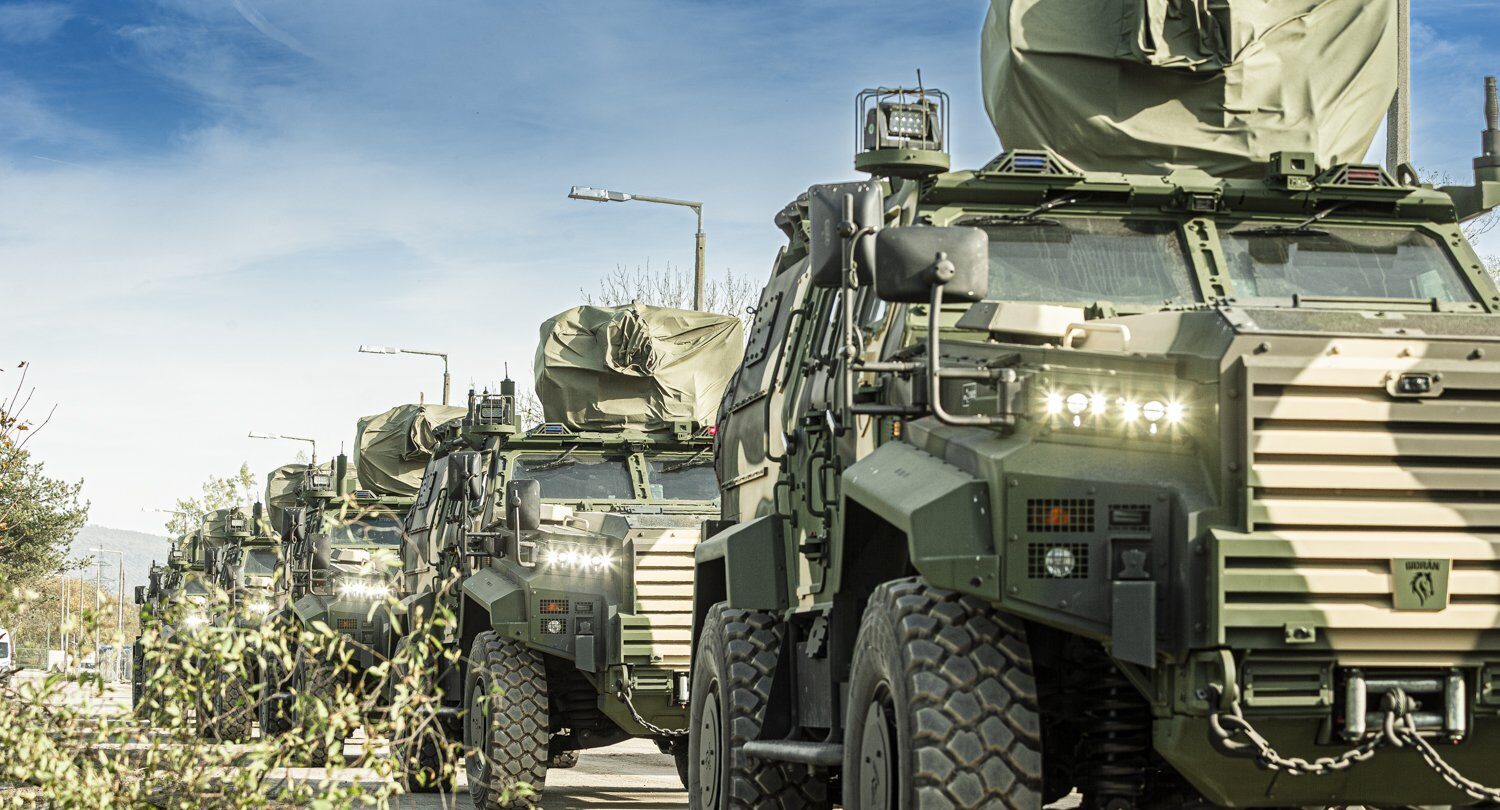
India’s defence and security fleets—encompassing 1.5 million+ vehicles from Ashok Leyland Stallion troop carriers, Tata Safari Storme command units, Mahindra Armadores, and DRDO UAV ground power gensets—demand zero-failure tolerance amid border patrols, counter-insurgency ops, and rapid deployments in terrains from Ladakh chills to Rajasthan dunes. Engine decarbonization via hydrogen plasma or advanced chemical flushes clears carbon from high-pressure common-rail injectors, turbochargers, and EGR valves clogged by desert dust, bunker fuel residues, and extended idles during 24/7 vigils, yielding 20% fewer breakdowns, 12-18% better fuel economy, and 15% power retention for mission-critical maneuvers. Army logistics units report enhanced field readiness, with one major command logging 10% torque gains on 200+ carriers post-treatment, aligning with Make in India mandates for indigenous maintenance excellence.
Decarbonization ensures mission uptime in high-stakes ops, embodying Defence-Grade Reliability: Decarbonize for Mission Success—clean engines power victory without a whisper of failure.
Defence Engine Battlegrounds
Military diesels face amplified abuse: BS-VI compliant engines in BEML Tatra trucks endure 50°C sandstorms gumming pistons, high-altitude rarefied air starving turbos, and biofuel blends accelerating DPF soot in prolonged low-load genset runs for radars and EW systems. Vibrations from rough tracks shed valve deposits; fuel adulteration in forward areas spikes NOx. Result: power fades 15-20%, stranding convoys at ₹5-10 lakh/hour in logistics costs, per CAG audits. Breakdowns contribute to 25% of non-combat vehicle losses annually.
Decarbon Protocol: Battlefield-Ready
Tailored for armoured and logistics heavies:
Field Diagnostics: OBD-military + thermal imaging spots 18% efficiency theft without disassembly.
Plasma/Hydrogen Purge: Mobile units generate H2 on-site (45-60 mins), dissolving deposits safely in ATEX zones.
Mission Recal: Dyno validation + ECU secure remaps sustain gains for 8,000+ km patrols.
Cantonment services cost ₹18-25k/vehicle; ROI in 1-2 months via 20% diesel cuts at ₹90/liter.
|
Metric
|
Pre-Decarb
|
Post-Decarb
|
Gain
|
|---|---|---|---|
|
Breakdown Rate
|
15-20%/year
|
12-16%/year
|
-20%
|
|
Fuel Efficiency
|
6.2 kmpl
|
7.2 kmpl
|
+16%
|
|
Power/Torque
|
85% rated
|
98% rated
|
+15%
|
|
Service Interval
|
10k km
|
12k km
|
+20%
|
Tech Forged for Frontlines
Decarb restores:
Turbo Authority: Clears vanes for 20% quicker spool in evasive maneuvers.
Injector Precision: 22% finer spray reduces smoke trails.
Genset Stability: Halves load fluctuations for uninterrupted C4ISR power.
Vs. alternatives:
|
Method
|
Cost/Vehicle
|
Reliability Boost
|
Deploy Time
|
|---|---|---|---|
|
Hydrogen Plasma
|
₹22k
|
18-22%
|
1 hr
|
|
Chemical Flush
|
₹15k
|
12-16%
|
2 hrs
|
|
Depot Overhaul
|
₹80k+
|
25%
|
5 days
|
Outshines additives (8% gains, residue risks).
Policy & Strategic Edge
DPP-2020 prioritizes lifecycle extensions; decarb supports Atmanirbhar without imports. HQ IDS emissions caps (post-COP30) demand 30% cuts—achieved sans retrofits. Soft savings: 25% fewer tows enhance Op Sukoon-like rapid mobilizations.PNGRB’s 2026 methane rules demand 40% emission cuts; decarb aids sans capex. PLI green fuel rebates (15%) reward fleets. CO2 savings: 5 tons/rig/year bolsters net-zero filings for global JVs.
Sustainability: 4 tons CO2/vehicle/year saved aids UN peacekeeping ESG.
Obstacles Neutralized
Classified Doubts: 12-month warranties, HAL-certified.
Forward Areas: Man-portable kits for LAC posts.
Training: 1-day OFB modules for ORs.
By 2030, with 2M vehicles modernized, decarb yields ₹8,000 crore efficiencies.
Explore field-proven military upgrades—view our real-world fleet success maps with convoy logs, torque curves, and command endorsements.