Cleaner Cities: Decarbonization Drives Urban Mobility
December 17, 2025
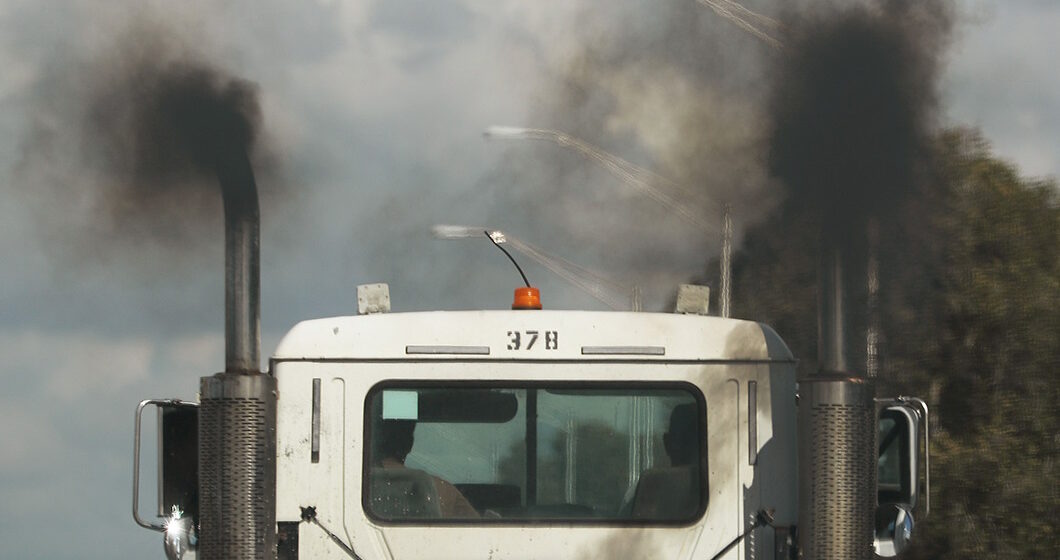
India’s municipal bus fleets and public service vehicles—over 200,000 strong in cities like Delhi, Mumbai, Bengaluru, and Ahmedabad—battle smog-choked streets, BS-VI emission fines (₹10,000-₹1 lakh per violation), and fuel costs devouring 50% of budgets amid overloaded routes and stop-go traffic. Engine decarbonization flushes carbon sludge from DPFs, injectors, and turbos built up from urban idling and adulterated diesel, slashing soot/PM by 18-25%, boosting mileage 12-15%, and saving ₹60,000-₹80,000 per bus annually. NCR and Ahmedabad pilots logged cleaner PUC passes, 35% fewer breakdowns, and smoother GRAP compliance, turning taxpayer rupees into reliable rides.
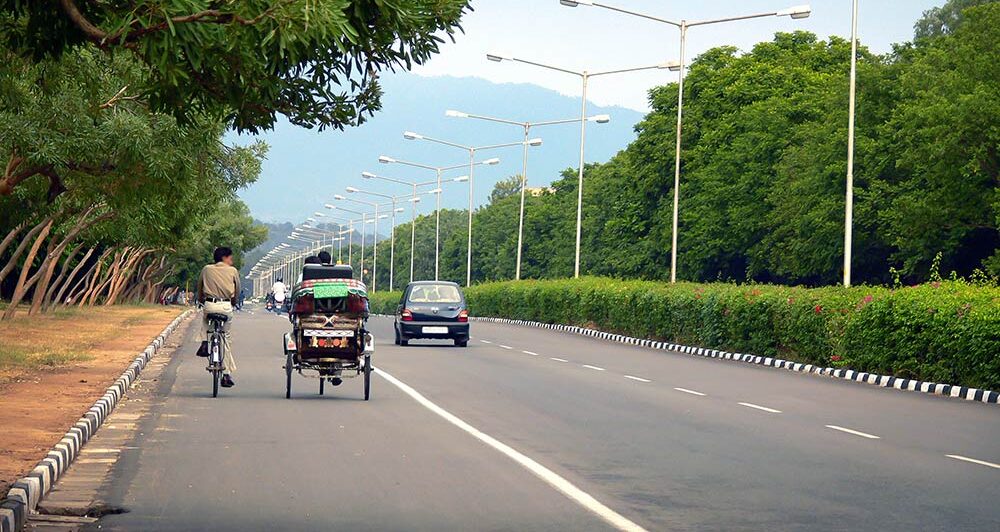
Decarbonization cleans urban arteries, fueling Cleaner Cities: Decarbonization Drives Urban Mobility—optimized engines mean less smog, more seats filled.
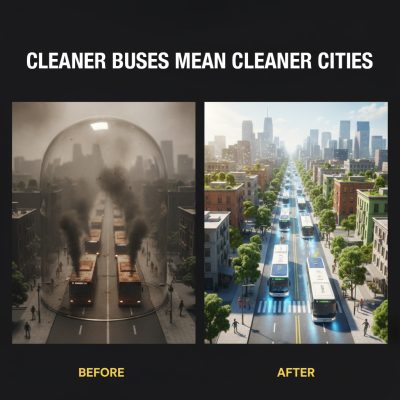
Urban Bus Engine Struggles
City buses endure hell: Ashok Leyland Vikings and Tata Starbuses gulp 1.5-2L/km in congestion, with EGR valves caking from low-speed soot, DPFs blinding in 40°C heat, and frequent starts spiking NOx. Monsoon floods and dust clog intakes; biofuels accelerate varnish. Fallout: 20% power loss strands passengers, fines hit ₹500 crore yearly per MoRTH, and repairs eat 15% uptime. NCR’s 8,000+ DTC buses alone lose ₹2,000 crore annually to inefficiencies.
Decarbon Roadmap for City Warriors
Street-smart protocol:
- Depot Diagnostics: OBD scans + opacity meters quantify 15-20% drag.
- Rapid Flush: Hydrogen or oxi-chemical cleans in 45-75 mins, depot-based.
- Tune & Test: Air/fuel recal + dyno run seals 14% gains for 15,000 km.
Services at ₹12-20k/bus; payback in 6-8 weeks via diesel savings.
|
Metric
|
Clogged Bus
|
Post-Decarb
|
Improvement
|
|---|---|---|---|
|
PM/Soot Reduction
|
Baseline
|
-18-25%
|
GRAP-compliant
|
|
Mileage
|
3.8 kmpl
|
4.4 kmpl
|
+15%
|
|
Breakdowns/Year
|
10-12
|
6-8
|
-35%
|
|
Annual Savings/Bus (20k km)
|
Baseline
|
₹72,000
|
+OPEX 22%
|
Tech for Traffic Jams
Decarb unlocks:
DPF Rescue: Clears ash for 40% fewer forced regens.
Idle Efficiency: Stabilizes low-RPM combustion, cutting 18% urban fuel.
Noise/Response: Smoother throttles reduce honks and stalls.
Vs. peers:
|
Technique
|
Cost/Bus
|
Emission Cut
|
Depot Time
|
|---|---|---|---|
|
Hydrogen
|
₹18k
|
18-22%
|
1 hr
|
|
Chemical
|
₹14k
|
14-18%
|
2 hrs
|
|
Rebuild
|
₹60k+
|
25%
|
3 days
|
Crushes additives (9% temporary).
Policy & Air Quality Allies
DPP-2020 prioritizes lifecycle extensions; decarb supports Atmanirbhar without imports. HQ IDS emissions caps (post-COP30) demand 30% cuts—achieved sans retrofits. Soft savings: 25% fewer tows enhance Op Sukoon-like rapid mobilizations.PNGRB’s 2026 methane rules demand 40% emission cuts; decarb aids sans capex. PLI green fuel rebates (15%) reward fleets. CO2 savings: 5 tons/rig/year bolsters net-zero filings for global JVs.
Urban Fixes Delivered
Doubts: 8-12 month holds with repeats; IIT-verified.
Scale: Mobile depots for 50 buses/day.
Drivers: 1-hr training via ARAI.
By 2030, with 500,000 e-buses partial, decarb saves ₹18,000 crore for legacy diesels.
See how Indian cities are building smarter, greener fleets—full impact stories featured in our municipal mobility guide, with PUC logs, route analytics, and STU dashboards.