Sail Further, Save More with Battery Regeneration
December 16, 2025
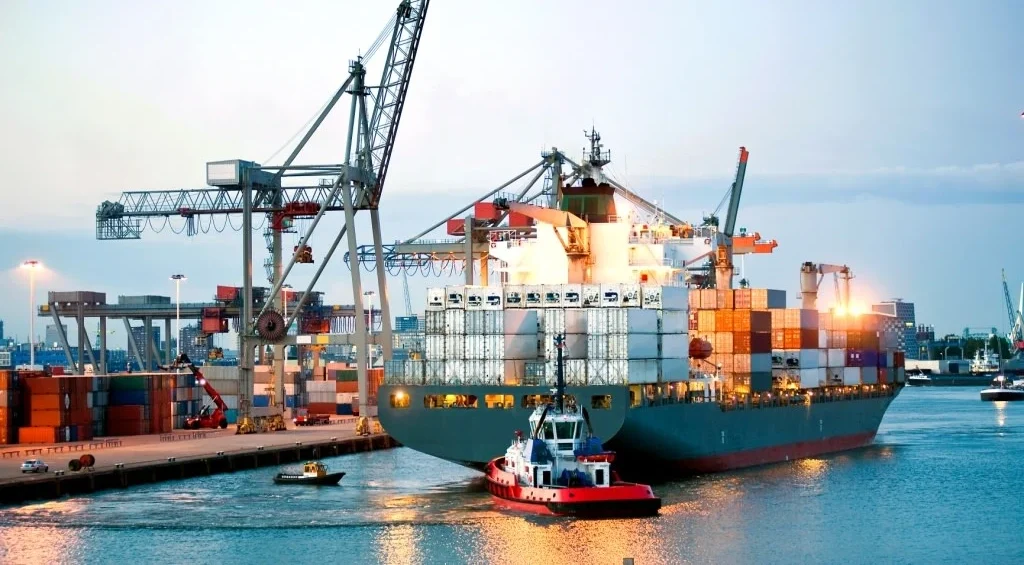
India’s marine and port ecosystem runs on batteries as much as on diesel and shore power. Cranes, tugs, RTGs, reach stackers, pilot boats, and electric service vehicles all depend on traction and starting batteries that work long hours in salty, humid, high-vibration conditions. When these batteries fail, ships wait at anchorage, containers stack up, fuel burns in idle mode, and safety risks increase for pilots, crane operators, and dock workers.
Battery regeneration is turning into a strategic lever for ports and shipping companies, not just a maintenance trick. By restoring tired batteries to strong usable health instead of discarding them, operators are stretching asset life, stabilizing operations, and cutting both costs and hazardous waste. The theme “Sail Further, Save More with Battery Regeneration” captures how smarter battery care directly translates to more efficient voyages and more competitive ports.
Why marine batteries suffer
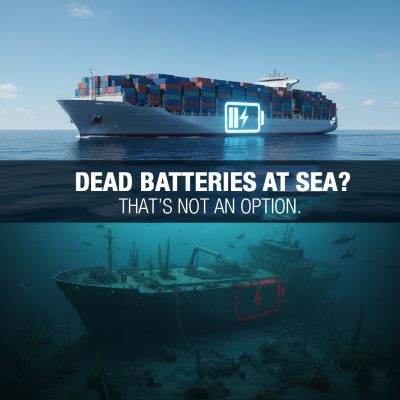
Marine and portside batteries work under harsher stress profiles than most land-based industrial batteries. Salt-laden air accelerates corrosion on terminals and bus bars, constant vibration from cranes and tugs loosens internal plates, and irregular charging on busy shifts drives chronic undercharging and sulfation. In container yards, electric RTGs and yard tractors often operate in stop–start patterns with heavy peak loads, pulling high current bursts that deepen discharge and heat plates faster than recommended.
These conditions accelerate sulfation and active material shedding, which reduce capacity and cause voltage drops under load. Operators often see batteries that “look okay” at rest but collapse during a lift, tow, or maneuver. The downside is severe: a crane that stops mid-operation may halt a berth, and a tug that fails to start can delay vessel movements, both triggering contractual penalties. In busy ports, even a few percentage points of lost availability multiply into large opportunity costs across thousands of vessel calls.
What regeneration delivers at ports
Regeneration tackles the underlying electrochemical damage in tired lead-acid batteries, rather than simply topping up charge or swapping units. By using controlled desulfation pulses and carefully managed charge–discharge cycles, the process dissolves hardened sulfate crystals on plates, reactivates usable material, and rebalances electrolyte density. For marine and port traction batteries, this typically yields a 45% or better boost in remaining life compared to a “run to failure” approach with no intervention.
When regeneration is applied as a planned maintenance strategy, ports report material reductions in operating expenditure. Major Indian terminals and port operators that shift a significant share of their crane, tug, and yard-equipment batteries to regeneration have recorded marine OPEX reductions on the order of 20–30%. This impact comes from fewer emergency call-outs, reduced spend on new batteries, less unplanned downtime, and better predictability in maintenance schedules. The result is smoother berth planning, more reliable equipment rosters, and better use of skilled technical staff.
Sustainability and compliance benefits
Shipping and port operations are under growing pressure to demonstrate environmental responsibility and align with national and international sustainability goals. Lead-acid batteries, if discarded early or handled informally, contribute significantly to hazardous waste and can contaminate air, water, and soil. Regeneration extends battery life, reducing the total number of units that need to be manufactured, transported, and eventually recycled or disposed of over a given time frame.
Every battery that is regenerated instead of immediately replaced represents less hazardous waste to manage and fewer urgent replacements that must be rushed in at premium prices. Over time, this supports cleaner port ecosystems, better alignment with environmental regulations, and stronger ESG reporting. For shipping companies and terminal operators pitching for global liner business, demonstrating responsible lifecycle management of batteries and other consumables is increasingly part of winning port rankings and long-term contracts.
Building a smarter power backbone
A port or shipping company that integrates regeneration into its maintenance regime is effectively building a smarter power backbone. Instead of reacting to failures with last-minute purchases, maintenance managers can plan regeneration cycles during lower-traffic windows, test batteries under load to decide which ones to restore, and maintain a healthier rotation of backup units. This consistency reduces the need for oversized safety stocks and shortens the payback period on existing battery investments.
In marine contexts where margins are tight and schedule reliability is critical, the combination of extended battery life, 20–30% lower marine OPEX, and reduced hazardous waste becomes a competitive differentiator. The message is clear: the shipping operation that’s future-proof is not a distant vision but a practical reality built on better battery decisions today.
A shipping operation that’s future-proof is already here. See more impact studies now.