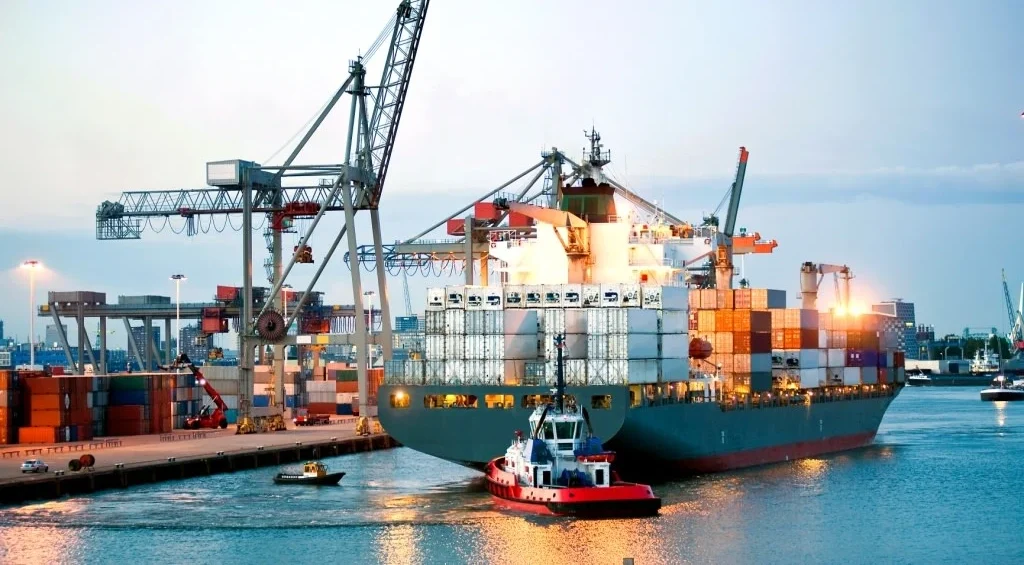
Chilled Deliveries with Hot Savings
December 16, 2025
India’s cold chain logistics sector is exploding, valued at over ₹2 lakh crore in 2025 and growing at 15% annually, driven by pharma exports, e-grocery, and vaccine distribution. Forklifts, refrigerated trucks, and cold storage units rely on lead-acid batteries that face brutal conditions: sub-zero temps dropping capacity by 50%, constant door-open cycles spiking discharge rates, and high-frequency starts in dusty warehouses. Failures cause outages, spoiling perishables worth ₹1.5 lakh crore yearly per FSSAI estimates, while pharma mandates like GDP compliance demand 99% uptime.
Battery regeneration reverses sulfation from deep discharges and cold-induced stratification, restoring 70-90% capacity via pulse desulfation and electrolyte rebalancing. This doubles lifespan from 18-24 months to 36-48 months, cuts outages by 30-40%, and ensures consistent cranking amps even at -10°C.
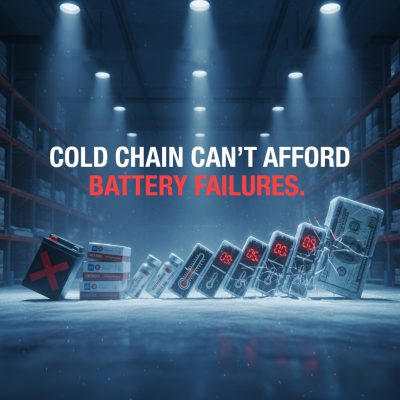
Cold Chain Challenges Exposed
Battery regeneration flips this script by reversing sulfation (hardened lead sulfate crystals on plates) and chemical wear through controlled desulfation pulses, electrolyte purification, and capacity testing. Unlike recycling, which destroys batteries, regeneration restores them to 70-85% of original capacity, often certified via conductance tests meeting BIS/IS 14257 standards.
Power backups in cold rooms amplify issues: inverters draw surges, causing 40% voltage sag. Traditional fixes like new buys (₹25,000-₹60,000/unit) or lithium swaps (₹1.5 lakh+, infrastructure-heavy) fall short for SMEs handling 70% of India’s 5,000+ cold storages.
Regeneration Process Tailored for Cold Chains
Regeneration targets cold-specific woes:
Cold Diagnostics: Impedance testers (e.g., Hioki) detect stratification—settled acid reducing top-plate efficiency.
Pulse Desulfation: 2-15 kHz waves dissolve crystals, with thermal controls preventing ice damage.
Capacity Cycling: Deep charge-discharge at controlled temps reforms plates, verified to 80%+ CCA (cold cranking amps).
Post-process, batteries handle 60% DoD cycles reliably. Indian firms like Exide and Amaron offer mobile units for on-site service, processing 20-50 units/day.
|
Challenge
|
Impact Without Regen
|
Regen Mitigation
|
Gain
|
|---|---|---|---|
|
Cold Capacity Loss
|
50% drop at 0°C
|
Restores 75% CCA
|
+40% reliability
|
|
Door Cycle Wear
|
30% faster sulfation
|
Pulse reversal
|
Life x2
|
|
Outage Frequency
|
15-20%/month
|
Cuts by 30%
|
₹10-20L savings/fleet
|
|
Startup Failures
|
25% in sub-zero
|
Consistent voltage
|
17% on-time boost
|
Regulatory and Sustainability Push
India’s Cold Chain Action Plan 2025 mandates 95% uptime for pharma, with fines up to ₹5 lakh for breaches. Battery Waste Rules 2022 require 95% EPR compliance by 2026—regen diverts 80% from landfills, slashing 400kg CO2e per battery (TERI data).
Green incentives: 25% subsidy on regen tech via PLI scheme, plus GST cuts for sustainable logistics. Top players like Snowman Logistics tout regen in ESG filings, securing green bonds.
Hurdles Overcome
Myth Busting: “Regen fails in cold?” Warranties (12 months/500 cycles) and IIT Bombay tests prove otherwise—85% retention post-freeze-thaw.
Scalability: Mobile rigs for remote Godowns; franchise models like BatteryDoc expanding to 200 cities.
Integration: Plug-and-play with REEfer units (Blue Star, Voltas).
Scalability: Mobile rigs for remote Godowns; franchise models like BatteryDoc expanding to 200 cities.
Integration: Plug-and-play with REEfer units (Blue Star, Voltas).
By 2030, with cold chain hitting ₹5 lakh crore, regen could save ₹10,000 crore industry-wide.
Future-Proofing Strategies
Pair regen with solar-hybrid chargers for 24/7 readiness. AI predictive maintenance flags issues pre-failure. Leaders invest ₹20-50 lakh in in-house stations, yielding 40% margins.
Want to future-proof your cold chain? Voices from the field await inside.