Sustainable Farms Harvest Better Engines
December 17, 2025
Agribusiness today runs on diesel as much as on monsoon rain and market prices. When engines run dirty, farms pay twice—once in wasted fuel, again in lost time during critical sowing and harvesting windows. Clean, decarbonized engines flip that equation, turning each litre of diesel into more work, less heat, and visibly cleaner smoke.
Why farm engines clog faster
Tractors, harvesters, and irrigation pumps spend long hours at low speeds, high loads, and in dusty, high-temperature fields.
Dust and chaff entering air intake systems accelerate carbon and soot deposits on valves, pistons, EGR passages, and turbos.
Long idling during loading, unloading, or waiting at procurement centres leads to incomplete combustion and wet stacking in pumps and gensets.

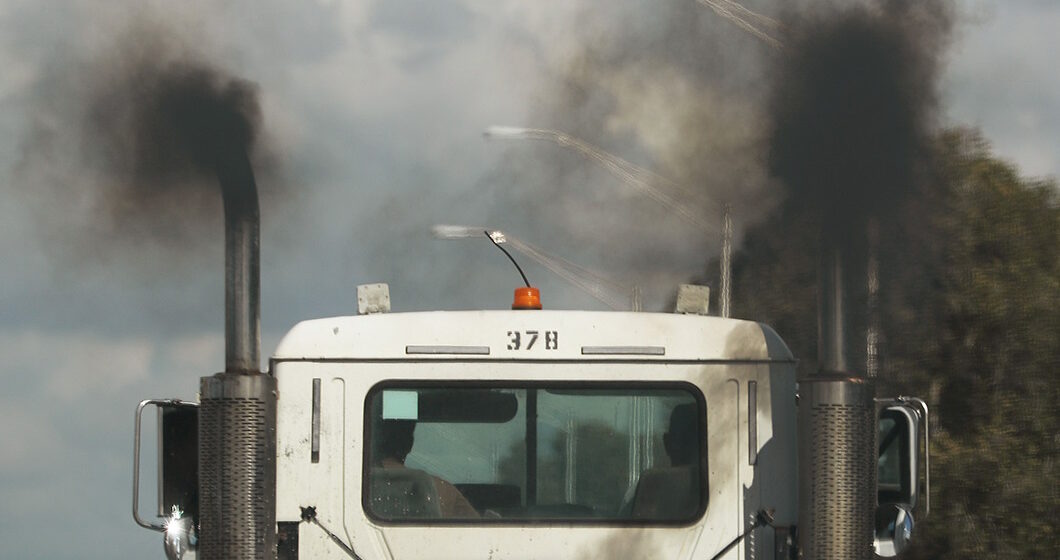
Over time, this carbon build-up reduces compression, chokes airflow, and upsets fuel atomization. Engines begin to run hotter, lose pulling power on soft soil, and consume significantly more diesel per acre tilled or per hour of pumping. Black smoke becomes normal, not a warning sign, and breakdowns tend to strike at the worst time—peak harvest or a narrow irrigation window.
What decarbonization does for farm equipmentPowerhouses
Engine decarbonization targets precisely this accumulated carbon and sludge without needing a full engine teardown.
- Chemical or hydrogen-based treatments are introduced through the air intake or fuel system to soften and burn out carbon deposits from the combustion chamber, injectors, valves, and turbo hot side.
- Follow-up oil and filter changes remove loosened contaminants, giving the engine a cleaner baseline for the next seasons.
The result is cooler, more efficient operation. Many agribusiness fleets and co-ops report engines running up to about 15% cooler on average after a proper decarbonization program, with noticeable improvements in throttle response and pulling capacity. For farms operating multiple tractors and pumps across long seasons, this improved thermodynamic efficiency directly lowers fuel use and reduces heat-related wear.
Rupee savings and uptime on real farms
For large farms and cooperatives, fuel is often the single biggest operating cost after labour.
When a decarbonized tractor burns less diesel per acre tilled or per trolley hauled, the savings accumulate across hundreds or thousands of hours per year.
For a cluster of tractors, harvesters, and diesel pumps, annual savings in the range of ₹2–3 lakh are realistic once decarbonization is built into preventive maintenance and machines are kept in service for multiple seasons.
Rural co-ops and farmer producer organisations (FPOs) that share machinery are particularly well placed to capture these gains. By pooling resources, they can schedule regular decarbonization for shared tractors and combine harvesters, spreading the service cost while each member benefits from lower fuel burn and fewer breakdowns during their allotted usage slots.
Multi-season reliability and cropping intensity
Cleaner engines are not just about fuel—they are about time.
When tractors and harvesters start reliably and maintain power, farmers can complete land preparation and harvesting within optimal agronomic windows, opening space for additional or more intensive cropping cycles.
Reliable pumps and gensets ensure timely irrigation, enabling shifts from one crop per year to two or even three in some intensively farmed areas.
Farmer associations in states like Punjab and Uttar Pradesh have demonstrated this in practice: after integrating decarbonization into scheduled maintenance, they report fewer in-season failures, lower workshop bills, and better asset availability across multiple seasons. In effect, the same machines now support more hectares, more crops, and more income without immediate replacement.
Environmental and community benefits
Engine care also supports environmental stewardship:
Decarbonized engines emit visibly less black smoke, meaning fewer particulates and unburnt hydrocarbons in village air.
Lower fuel consumption for the same work translates into reduced carbon emissions per acre of production.
For cooperatives and agribusinesses that sell to sustainability-conscious buyers, cleaner fleets can strengthen their positioning in traceability and ESG-linked value chains. Over time, engine decarbonization becomes more than a workshop practice—it is part of how rural India modernizes productivity while respecting air quality and climate constraints.
From workshop habit to farm strategy
To turn decarbonization into a strategic lever rather than a one-off fix, agribusinesses and co-ops can:
Integrate decarbonization into scheduled service intervals (for example, after a fixed number of engine hours or before each major season).
Track diesel use, operating temperature, and basic performance indicators before and after treatment to quantify gains.
Train local mechanics and operator groups on early signs of carbon build-up—persistent black smoke, loss of hill-climbing power, overheating, rough idling—and link these to timely decarbonization rather than waiting for failure.
Want to see how rural India is powering up sustainably? Our agri machinery impact library showcases data-driven case studies, from co-op tractor fleets and harvester groups to irrigation and FPO logistics, all built on smarter engine care.