Engines Built to Handle More, Pollute Less
December 16, 2025
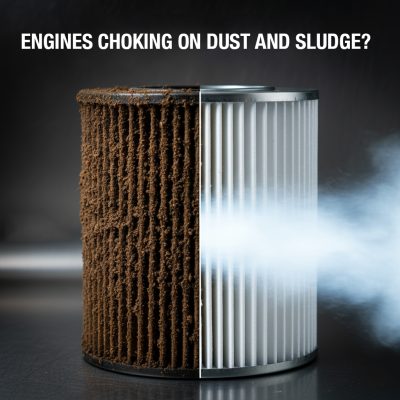
India’s construction sector, powering $1.4 trillion in projects by 2025, runs on diesel-guzzling excavators, bulldozers, and loaders from JCB, Caterpillar, and L&T where engines choke on sludge from adulterated fuel, dust from dry sites, and carbon from idling during monsoons—slashing efficiency by 20-25% and spiking breakdowns. Engine decarbonization chemically or via hydrogen plasma strips these deposits from pistons, valves, turbos, and injectors, restoring 12-16% fuel efficiency, 15-20% power, and cutting PM emissions by 30% to meet CPCB Stage V norms. Bangalore contractors report ₹20-25 lakh savings per 50-machine fleet annually, with 40% fewer tows and smoother RTO audits for highway tenders.
Decarbonization transforms reactive downtime into predictive gains, embodying Engines Built to Handle More, Pollute Less—cleaner engines dig deeper, faster, greener.
Construction Engine Nightmares
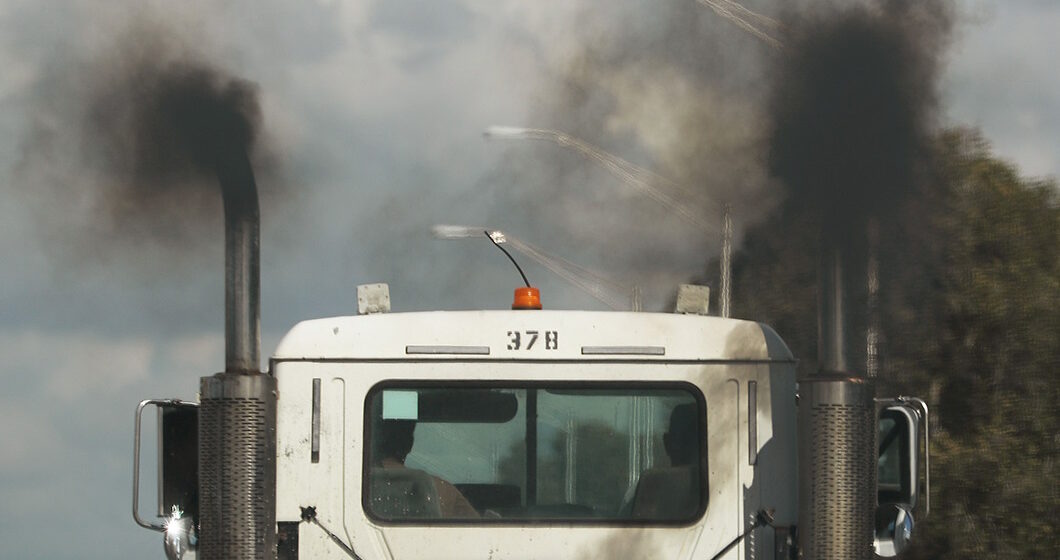
Sites amplify wear: BS-VI Komatsus haul 20-ton loads through 45°C heat, inhaling silica dust that gums rings, while EGR/DPF systems clog from biodiesel blends (5% mandate). Overloaded dozers idle 30% of shifts, baking carbon onto heads. Result: mileage plummets from 6-8 kmph equivalents to 4-5, black smoke fails PUC, and breakdowns cost ₹5,000/hour in delays. ICRA data flags engine faults for 35% of ₹15,000 crore yearly losses.
Decarbon Process for Heavies
Optimized for site beasts:
Scan & Scope: OBD + endoscopy maps deposits; dyno baselines power curves.
Deep Clean: Hydrogen generators (₹10k/session) or oxi-coal walnut blasting dissolve soot in 60-90 mins, no strip-down.
Optimize: Injector calibration + lube flush locks in gains for 10,000+ hours.
Mobile rigs at yards cost ₹12-18k/machine, payback in 1-2 months at ₹90/liter diesel.
|
Metric
|
Dirty Engine
|
Post-Decarb
|
Boost
|
|---|---|---|---|
|
Fuel Efficiency
|
4.2 kmpl equiv.
|
4.9 kmpl
|
+16%
|
|
Breakdowns/Year
|
12-15
|
7-9
|
-40%
|
|
Power Output
|
85% rated
|
98% rated
|
+15%
|
|
Emissions (PM)
|
140% norm
|
90% norm
|
-35%
|
Tech That Tackles Site Hell
Decarb revives:
Dust-Proof Flow: Clears intake for 20% better air-fuel mix.
Turbo Snap: Frees VGT for quicker loads.
DPF Health: Reduces regens 45%, extending life.
Vs. rivals:
|
Technique
|
Cost/Machine
|
Efficiency Gain
|
Downtime
|
|---|---|---|---|
|
Hydrogen
|
₹15k
|
12-16%
|
1 hr
|
|
Chemical
|
₹10k
|
10-14%
|
2 hrs
|
|
Manual Teardown
|
₹50k+
|
18-20%
|
2 days
|
Outpaces additives (6-8% fleeting gains).
Policy & Planet Wins
CPCB’s 2026 real-time monitoring demands <50mg/km PM; decarb delivers sans retrofits. NCAP green rebates (₹2-10 lakh/equip) reward compliant yards. CO2 drop: 3.5 tons/machine/year aids net-zero pledges.
Barriers? Blown Away
Doubts: Effects last 6-12 months with repeats; dyno-proven.
Sites: Van-mounted units hit remote pours.
Crew: 2-hr IRC training.
By 2030, amid $2T infra, decarb unlocks ₹30,000 crore savings.
Curious how your bid margins can grow? Detailed breakdowns await at our construction resource hub, with site logs, dyno graphs, and tender templates.