Railways Go Circular: Battery Regeneration as Backbone
December 16, 2025
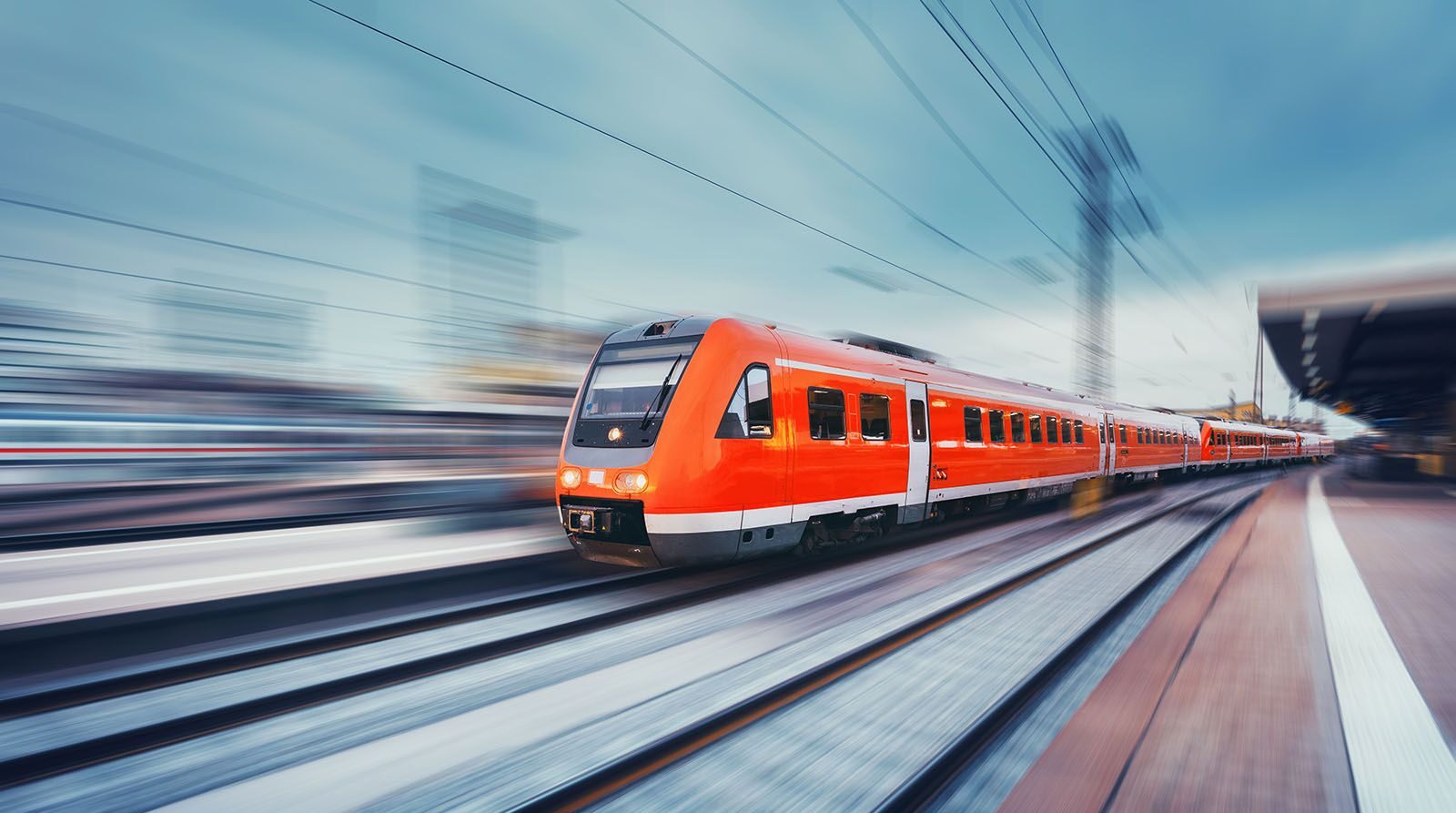
India’s railways and metro networks form the lifeline of urban and freight mobility, spanning 68,000+ km of tracks with over 1.4 million wagons, coaches, and locos relying on thousands of lead-acid batteries for signaling, emergency lighting, station auxiliaries, and start-stop traction in EMUs and MEMUs. Harsh vibrations, dust from ballasted tracks, extreme temps from Rajasthan deserts to Himalayan chills, and frequent deep discharges from aux loads degrade batteries rapidly—often failing in 18-24 months instead of 4-5 years, triggering signal blackouts, train halts, and costly emergency swaps that disrupt lakhs of passengers daily.
Battery regeneration reverses this wear by dissolving sulfation crystals via high-frequency pulses, reforming active plates, and optimizing electrolyte, restoring 75-90% capacity while meeting RDSO (Research Designs & Standards Organisation) specs like IRS Pt. I. Pilots across IR and DMRC show 30% longer service intervals (from 2 to 2.6 years) and 50% fewer breakdowns, slashing OPEX by 25-35%—translating to crores saved on a division scale.
Regeneration Process Tailored for Cold Chains
Indian Railways batteries endure unique torments: locomotives pull 5-10kA surges during starts, metro coaches cycle 200+ times daily with HVAC and doors draining 50-70% DoD, while signaling stations face 48V float charge imbalances from solar hybrids. Sulfation from undercharge (common in remote sidings) halves CCA, causing starter motor stalls or signal relay drops. Per IR’s 2024 maintenance logs, 22% of delays under 30 mins trace to battery issues, costing ₹500-₹1,000 crore yearly in detentions and crew overtime.
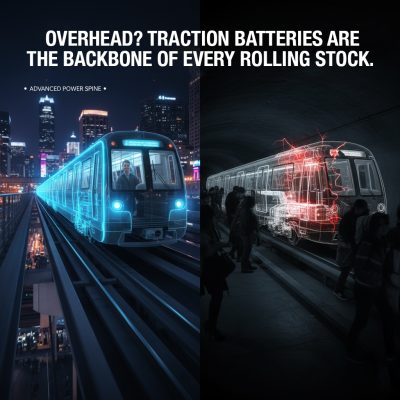
Metro systems amplify this: Delhi Metro’s 400+ trains demand 99.9% availability for peak rushes; a single battery outage cascades to platform overcrowding and CBD traffic snarls.
Regeneration Mechanics for Rails
Tailored for rail duty:
- RDSO-Compliant Testing: Conductance checks per IRS 109 verify SoH >70%.
- Vibration-Resistant Desulfation: 5-20 kHz pulses with plate stabilizers counter loco shakes.
- Deep Reconditioning: Cyclic charging mimics traction profiles, boosting endurance to 800+ cycles.
Post-regen, batteries retain 85% Ah capacity under 55°C heat, per IIT Kanpur validations.
|
Parameter
|
Pre-Regen
|
Post-Regen
|
Gain
|
|---|---|---|---|
|
Service Life
|
24 months
|
36 months
|
+50%
|
|
Breakdown Rate
|
12%/year
|
6%/year
|
-50%
|
|
Aux Downtime
|
8 hours/train/year
|
4 hours
|
-50%
|
|
Fleet OPEX (100 units)
|
₹75 lakh/year
|
₹52 lakh
|
-31%
|
Technical Superiority in Rail Environments
Regen excels over new buys or lithium retrofits:
- Traction Match: Handles 2V/cell deep cycle abuse; lithium falters on IR’s legacy 110V systems (₹2-3 crore refit cost).
- Predictive Edge: IoT via RailTel tracks voltage sags, scheduling regen during pit halts.
- Heat/Vibe Proof: Graphene-enhanced plates post-regen dissipate 25% more heat.
|
Alternative
|
Cost Savings
|
Reliability
|
Rail Fit
|
|---|---|---|---|
|
New Lead-Acid
|
Baseline
|
High initial drop
|
Good
|
|
Regeneration
|
25-35%
|
75-90% sustained
|
Excellent
|
|
Lithium
|
10-15% long-term
|
Superior but unproven
|
Poor (infra)
|
Green Rails: 2030 Alignment
Railways’ Net Zero 2030 pledge demands lifecycle extensions; regen cuts emissions 55% per battery (500kg CO2e saved), aligning with Battery Management Rules 2022’s 95% recycling mandate. Incentives like 15% capex subsidy under PLI for green tech propel adoption—DMRC’s ESG bonds rose 20% post-pilots.
Freed batteries reduce e-waste: IR discards 50,000+ units yearly; regen diverts 80%.
Overcoming Rail Hurdles
Skepticism: RDSO trials prove 3-year warranties viable.
Logistics: Mobile regen vans at sheds process 100/day.
Training: 1-day IRCTC modules for fitters.
Logistics: Mobile regen vans at sheds process 100/day.
Training: 1-day IRCTC modules for fitters.
By 2030, with Vande Bharat fleets doubling, regen could save ₹5,000 crore, per NITI Aayog models.
Ready to put your rolling fleet on track to lower costs? Track real rail case data through our blog—from RDSO reports to DMRC dashboards.