Engine Decarbonization: Driving Cleaner Performance and Maximum Efficiency
August 1, 2025
Engine decarbonization is redefining mobility for drivers, fleets, and the planet—delivering cleaner engines, improved mileage, and measurable environmental benefits. Leveraging advanced chemical treatments and breakthrough hydrogen-based technologies, it is fast emerging as a critical pathway to maximize fuel efficiency and cut emissions at scale.
Why Engine Decarbonization Matters?
“Carbon buildup is responsible for up to 30% of lost engine fuel efficiency—making decarbonization one of the most effective ways to restore performance and cut fuel costs.”
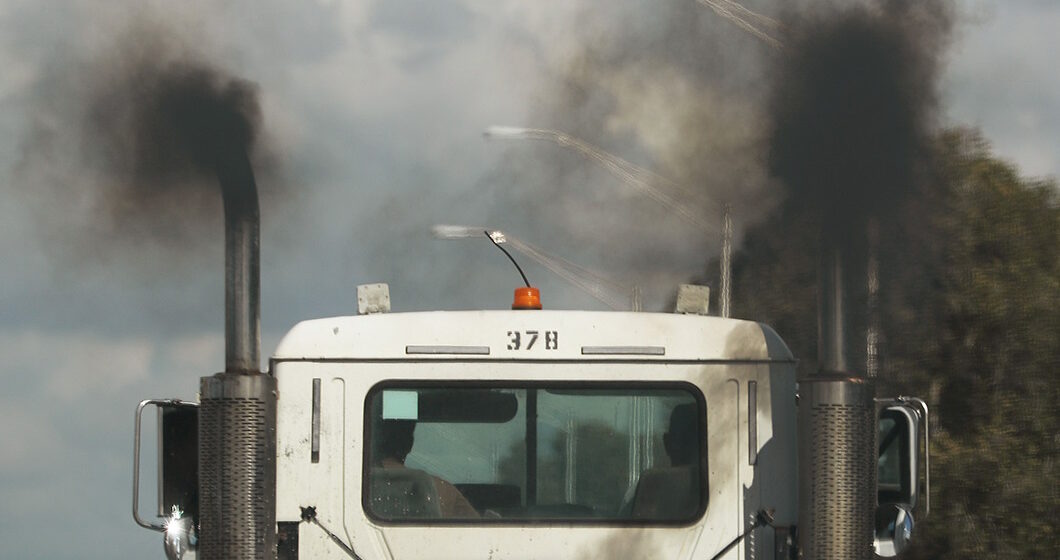
Regardless of whether they run on petrol or diesel, modern engines inevitably develop carbon deposits within combustion chambers, valves, EGR systems, and turbochargers. Over time, this buildup results in:
- Lower mileage and rising fuel costs,
- Rough idling and sluggish acceleration,
- Increased emissions.
Decarbonization removes harmful deposits, restoring airflow and combustion efficiency so engines run as smoothly and powerfully as when new.
Forms of Engine Decarbonization
1. Chemical Decarbonization
- Advanced chemical treatments flow through your engine’s intake and fuel system, wiping out tough carbon deposits for like-new performance.
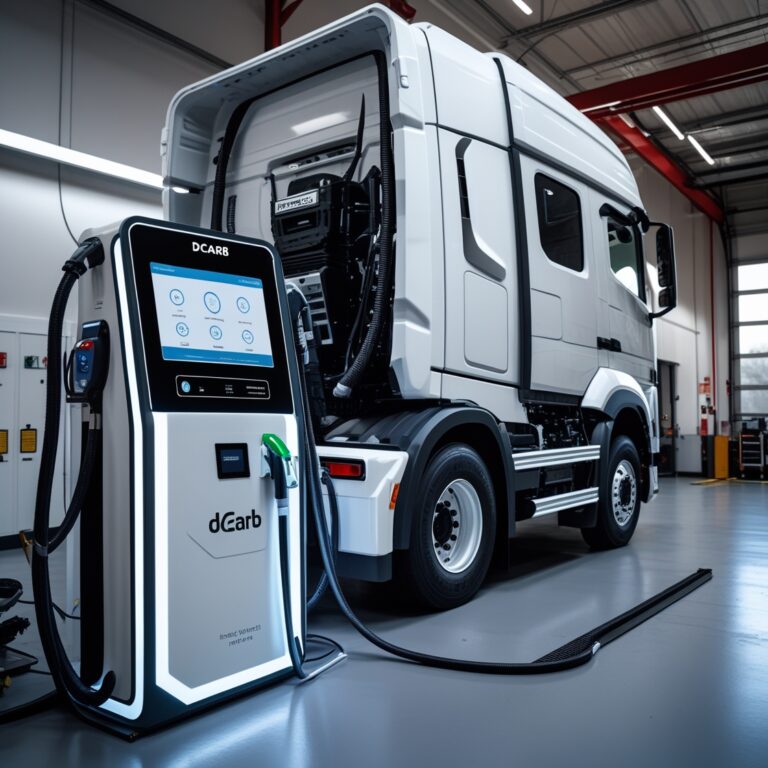
2. Hydrogen Decarbonization
- By splitting water into pure hydrogen and channeling it through the air intake, engines achieve a high-temperature burn that oxidizes carbon deposits, safely transforming them into clean exhaust gases.
3. Manual (Mechanical) Cleaning
- Hands-on cleaning of intake, valves, and pistons restores peak performance—ideal for engine rebuilds or extreme clogging situations.
Engine Decarbonization Methods & Effectiveness
| Method | Key Benefit | Typical Reduction in Emissions | Cost | Time Needed |
| Chemical | Fast, convenient | 20–40% | Moderate | 45–60min |
| Hydrogen | Deep internal cleaning | 50%+ (in certified studies) | Higher | 30–90min |
| Manual | Most thorough | 60%+ (with rebuild) | Highest | Several hrs |
“Decarbonization instantly cuts vehicle CO₂ emissions by 20–60% following treatment.”
Environmental Benefits
- Lower Greenhouse Gases: By reducing harmful deposits, engine decarbonization lowers CO₂, hydrocarbon, and NOx emissions. In many cases, a single treatment delivers a 20–60% reduction in CO₂ output.
- Improved Air Quality: Reducing particulate matter helps improve air quality, especially in densely populated cities.
- Resources Saved: Prolongs the lifespan of engines and catalytic converters, conserving resources and minimizing waste from premature replacements.
“Hydrogen-based decarbonization treatments have demonstrated emission reductions exceeding 50% in test conditions.”
Real-World Data & Impact
- Fuel Savings: Decarbonization treatments typically deliver an instant 5–15% improvement in mileage, as reported by drivers.
- Performance Gains: Enjoy smoother acceleration and a more responsive driving experience after decarbonization.
- Global Scale: Decarbonizing just 25% of India’s passenger vehicles each year could reduce CO₂ emissions by more than 1 million metric tons..
“Carbon deposits can reduce engine efficiency by as much as 20% after 50,000 km of operation.”
Conclusion
More than just maintenance, engine decarbonization paves the way to cleaner cities, reduced fuel expenses, and a greener tomorrow.
Through chemical, hydrogen, and manual methods, vehicle owners gain accessible solutions to enhance engine longevity and contribute to environmental sustainability.